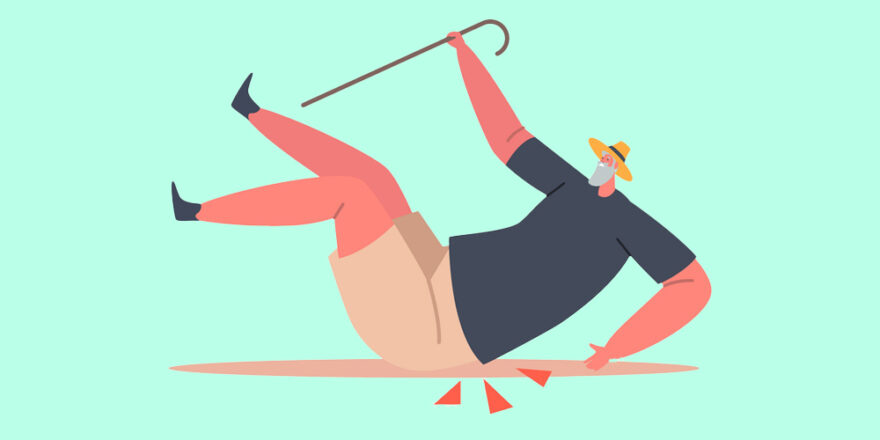

One of the biggest fears for families with aging parents is a simple but scary question: “What if Mom falls when no one’s around?”
Falls are one of the leading causes of injuries among seniors, but the good news is—they’re also highly preventable. With just a few thoughtful changes at home (and sometimes a little extra help), you can create a safe environment where your loved one can stay independent without unnecessary risks.
Why Fall Prevention Matters
According to the CDC, 1 in 4 adults over 65 falls each year, and falls often lead to injuries like hip fractures, head trauma, or hospital stays that can change a senior’s quality of life.
But here’s the thing—most falls don’t happen outside on icy sidewalks. They happen at home, in the spaces we consider safest. That’s why fall prevention begins right where your loved one lives.
Also Read: How Often Will I Need The Assistance Of An In-Home Caregiver?
7 Simple Fall Prevention Tips for a Safer Home
1. Clear the Clutter
Loose rugs, shoes in hallways, and electrical cords are fall hazards waiting to happen. Keep pathways clear and tidy to reduce risks.
2. Improve Lighting
Dim lighting makes it easy to trip. Add nightlights in hallways, bathrooms, and bedrooms so your loved one can see clearly—even during midnight trips to the bathroom.
3. Install Grab Bars and Handrails
Bathrooms and staircases are high-risk areas. Installing sturdy grab bars near toilets, showers, and steps can give seniors the extra balance they need.
4. Choose Slip-Resistant Flooring
Slippery floors can be dangerous. Opt for non-slip mats in the bathroom and kitchen, and make sure rugs have anti-slip backings.
5. Encourage Proper Footwear
Shoes with non-slip soles are safer than socks or loose slippers. Encourage your loved one to wear supportive footwear around the house.
6. Keep Essentials Within Easy Reach
Avoid situations where seniors need to climb or stretch for items. Store frequently used items at waist level to reduce strain.
7. Stay Active and Healthy
A strong body means better balance. Gentle exercises like walking, stretching, or chair yoga can help maintain strength, flexibility, and confidence.
Also read: Is Mom Safe at Home Alone? Signs It’s Time to Consider Home Care
The Role of Home Care in Fall Prevention
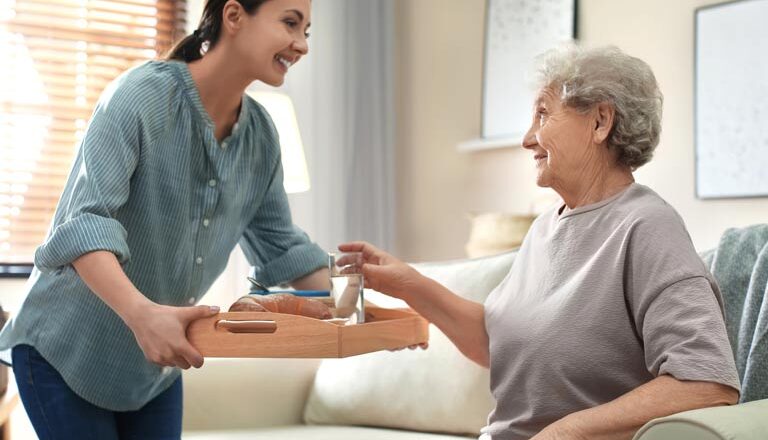
Even with the best safety measures, falls can still happen—especially if your loved one lives alone. That’s where home care services come in. Caregivers provide:
- Supervision and assistance with mobility
- Help with bathing, dressing, and grooming (common fall risk moments)
- Light housekeeping to keep walkways safe
- Meal preparation to ensure seniors stay strong and nourished
- Medication reminders to avoid dizziness or side effects from missed doses
At Care At Heart Home Care, we don’t just provide care—we create a safe, supportive environment that gives families peace of mind.
Final Thoughts
Fall prevention is about more than just safety—it’s about preserving your loved one’s independence, dignity, and confidence. By making small changes at home and considering the support of professional caregivers, you can dramatically reduce risks and keep your loved one safe where they belong: at home.