
As our parents grow older, one of the toughest questions we face is: “Is Mom safe at home alone?”
It’s a worry that keeps many families up at night. From falls and forgotten medications to loneliness and daily struggles, aging alone can come with risks. But how do you know when it’s time to step in and consider home care services?
In this post, we’ll walk through the warning signs that your loved one may not be safe at home alone, why early intervention matters, and how professional caregivers can provide peace of mind.
Why Safety Becomes a Concern for Aging Parents
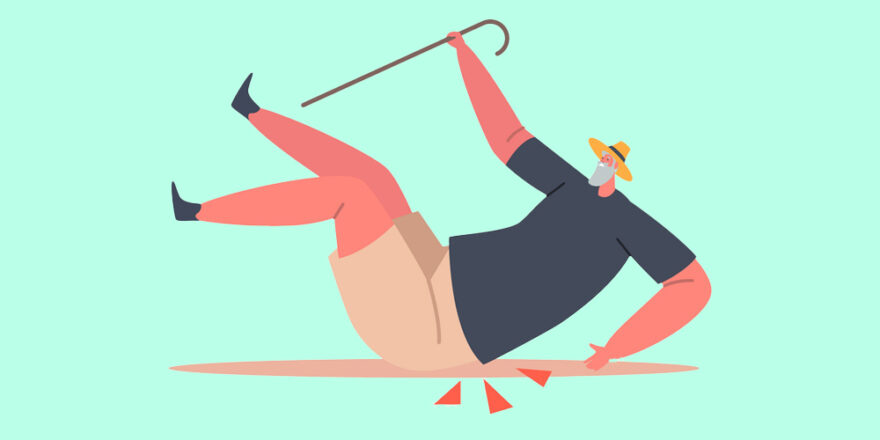
As seniors age, everyday tasks can become more difficult. Slippery floors, stairs, or even remembering medications can turn into major safety risks. According to the CDC, 1 in 4 older adults falls each year, and falls are the leading cause of injury-related hospital visits for seniors.
On top of that, isolation and forgetfulness can create hidden dangers, from missed doctor appointments to improper nutrition.
That’s why asking the question “Is Mom safe at home alone?” is not just about physical safety—it’s about her overall health, dignity, and quality of life.
7 Signs Your Loved One May Not Be Safe Living Alone
Here are some clear red flags that suggest it may be time to consider home care support:
- Frequent Falls or Near-Falls
If your mom has tripped, stumbled, or fallen more than once, that’s a strong indicator she needs help around the house. - Forgetfulness With Medication
Missed doses or taking too much medication can have serious health consequences. - Declining Personal Hygiene
Unwashed hair, unclean clothes, or skipped baths may signal that daily routines have become too challenging. - Unexplained Weight Loss or Poor Eating Habits
Struggling to cook or shop can lead to malnutrition and dehydration. - Changes in Mood or Isolation
If your mom avoids socializing, seems depressed, or shows sudden mood changes, isolation could be affecting her mental health. - Household Hazards Going Unnoticed
Piles of clutter, broken appliances, or unpaid bills are signs of difficulty managing daily life. - Difficulty With Mobility or Daily Tasks
If walking, dressing, or even moving around the house has become hard, extra help is essential.
How Home Care Can Keep Mom Safe
The good news? Home care isn’t about taking away independence—it’s about supporting independence safely. With the right caregiver, your mom can stay in the comfort of her home while still getting the assistance she needs.
At Care At Heart Home Care, our trained caregivers help with:
- Fall prevention and mobility support
- Medication reminders
- Meal preparation and grocery assistance
- Personal hygiene and grooming
- Light housekeeping
- Companionship and emotional support
This not only ensures safety but also restores peace of mind for families.
When to Make the Decision
If you’ve noticed one or more of the warning signs above, it may be time to start the conversation about home care services. The sooner you act, the more you can protect your loved one from preventable accidents while improving their quality of life.
Final Thoughts
Asking “Is Mom safe at home alone?” is never easy, but it’s a question that can’t be ignored. Safety, health, and dignity should always come first. With compassionate home care, your loved one can continue living life on their terms—without sacrificing security.
At Care At Heart Home Care, we’re here to walk with you through every step, providing the trusted support your family deserves.